

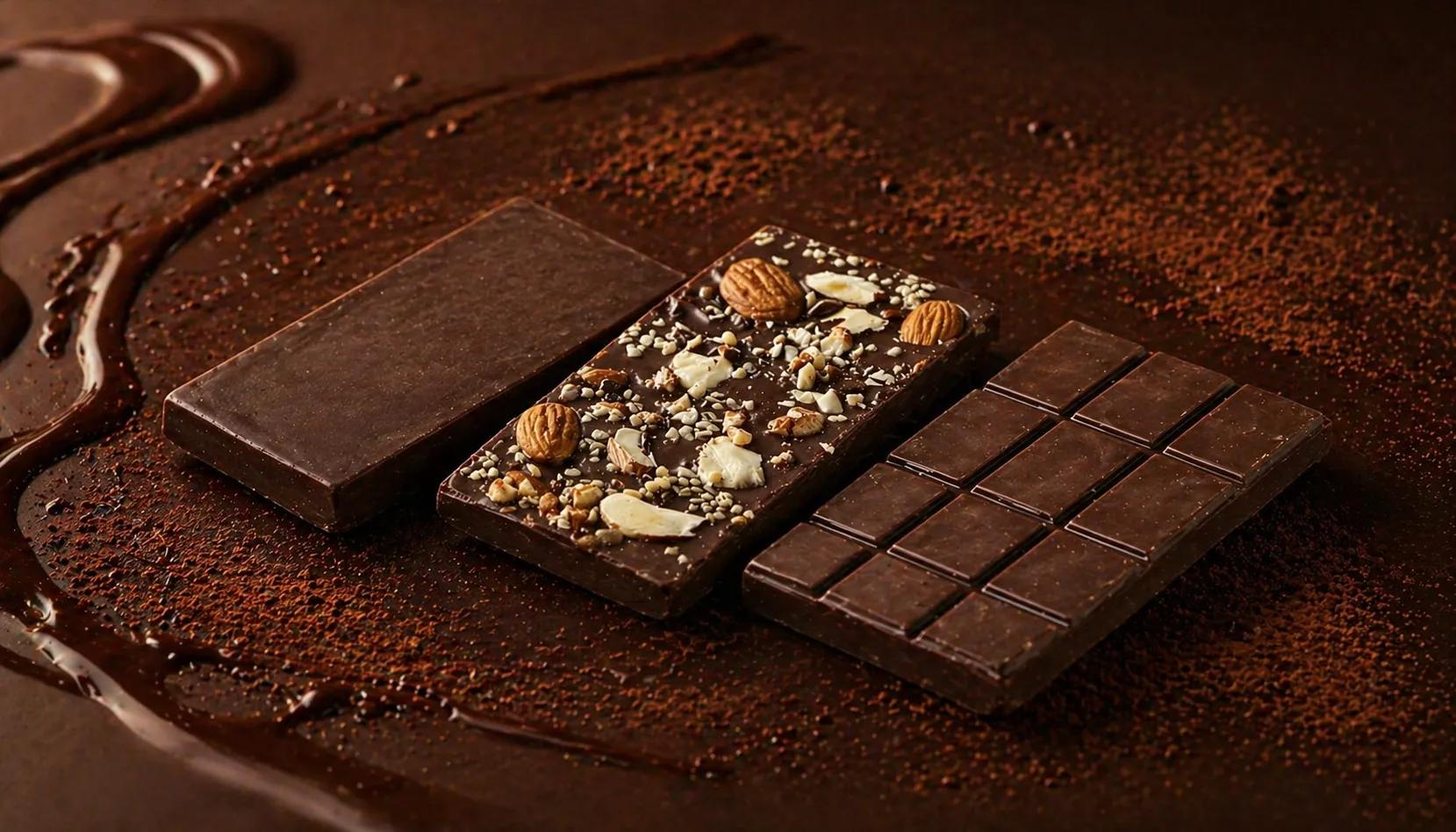
There is a version of chocolate that most people eat their entire lives without questioning. It comes wrapped in foil, sits in a bin near the checkout counter, and melts in a way that feels more like wax releasing than real cacao dissolving. It is fine. But it is not chocolate at its best.
Then there is the other version. The kind made in small batches, by someone who learned the process carefully, using ingredients that actually came from somewhere specific. Handmade chocolate bars sit in a completely different category, and once you understand what actually goes into them, it becomes hard to think about the checkout-counter version the same way again.
This post walks through what the process genuinely involves, what separates real craft from marketing language, and why the choices made at every stage, from sourcing to final bar shape, affect the experience in your mouth.
The Starting Point: Why Raw Cacao Changes Everything
Most commercial chocolate begins with cacao that has been heavily processed, often at high temperatures, which strips out a significant portion of the antioxidants, minerals, and flavor complexity that make cacao interesting in the first place. By the time it becomes a standard bar, the chocolate has been alkalized, blended with dairy, loaded with refined sugar, and stabilized with emulsifiers like soy lecithin.
Raw cacao bars start from a different premise. Keeping cacao raw, or minimally processed below certain temperature thresholds, preserves the naturally occurring antioxidants, magnesium, iron, and flavanols that make dark chocolate worth eating beyond pure indulgence. The flavor is also genuinely different: more complex, slightly bitter, with earthy notes that vary depending on where the cacao was grown.
This is not a small distinction. It is the difference between eating something that has been engineered to taste sweet and eating something that reflects the actual character of the cacao bean.
What the Bean-to-Bar Process Actually Involves
The phrase "bean to bar" gets used liberally in marketing, so it is worth being specific about what it actually means in practice.
A genuine handmade chocolate bar involves decisions at every stage:
Cacao sourcing, where it comes from, whether it is organic, and how it was grown and harvested, all affect flavor and nutritional value before any processing begins.
The processing method of raw versus roasted cacao delivers entirely different flavor profiles and nutritional outcomes.
Grinding and conching the duration and method of grinding affect texture; rushed processing produces grainy, flat chocolate.
Ingredient selection, everything added beyond cacao, whether nut butters, sweeteners, inclusions, or coatings, either supports or undermines the quality of the base.
Tempering proper chocolate tempering creates the snap, sheen, and smooth melt that define a well-made bar; it requires attention and timing that automated lines cannot replicate with the same result
Batch size: Smaller batches allow for quality control that large-scale production simply cannot maintain
Most mass-produced bars skip or compress several of these stages. The goal in industrial chocolate production is efficiency and consistency at scale, which are reasonable goals that produce a predictable product. They are just not compatible with making something genuinely excellent.
Why Soy-Free, Dairy-Free, and Gluten-Free Matter in Craft Chocolate
Conventional chocolate almost always contains soy lecithin as an emulsifier. It is cheap, stable, and effective at keeping chocolate smooth on a production line. It also has no place in a bar built on clean ingredients.
Soy-free chocolate bars require different approaches to achieving a smooth texture: careful grinding, quality cacao butter, and attention to the fat ratio in the recipe. It is more work, and that is exactly why most brands do not bother.
The same logic applies to dairy. Real milk chocolate requires dairy, which excludes a significant portion of the population who are lactose intolerant, vegan, or simply trying to reduce their dairy intake. Plant-based chocolate made without dairy uses cacao butter, coconut milk powder, or nut-based alternatives to achieve creaminess, and when done well, the result is just as rich without the heaviness that dairy adds.
Gluten is less common in chocolate naturally, but it appears through shared equipment, grain-based additives, and certain inclusions. A brand that is genuinely gluten-conscious controls for cross-contamination from the start, which matters to anyone with celiac disease or real gluten sensitivity.
Here is what to look for when evaluating whether a bar is genuinely clean:
Organic certification from a recognized third-party body, not just the word "organic" on the label
Soy-free confirmed on the ingredient list, not just implied.
No refined sugar, with a named low-glycemic alternative instead
Dairy-free with a specific plant-based fat source listed
No artificial flavors, colors, or preservatives anywhere in the ingredient list
Non-GMO verified ingredients throughout
How Rawmantic® Chocolate Approaches the Craft
Rawmantic® Chocolate operates from Sutton Place in Manhattan, making it a genuine chocolate boutique in NYC rather than a brand that simply ships from somewhere else and claims a New York address. Every bar is handcrafted in small batches using methods learned from a French chocolate master, with close attention to production timing, ingredient integrity, and consistency across each batch.
Their bars are made with 95% raw ingredients, USDA certified organic, and free from gluten, dairy, soy, refined sugar, GMOs, preservatives, and artificial additives. The cacao they use is raw organic dairy-free dark chocolate and raw organic cacao butter, which means the antioxidants and minerals naturally present in cacao are preserved rather than processed out.
Raw cacao bars from Rawmantic are sweetened with organic coconut sugar and other low-glycemic alternatives, never refined cane sugar. Their soy-free chocolate bars achieve their smooth texture through quality fat ratios and careful processing rather than emulsifiers.
For anyone seeking vegan chocolate in NYC made with the same level of care that French artisanal tradition demands, the approach is rare. Most places making vegan chocolate in NYC are scaling up or working from standardized formulas. Small batch, handmade production at this level of ingredient specificity takes significantly more time per bar, which is the point.
What You Actually Taste in a Well-Made Handmade Bar
People who try a genuinely crafted handmade chocolate bar for the first time after years of commercial chocolate often describe a similar experience. The chocolate does not taste immediately sweet. It opens with complexity, a slight bitterness, maybe a hint of fruit or earth, depending on the cacao origin, and then it melts in a way that feels smooth rather than waxy.
The difference is not subtle once you know what to pay attention to. Real cacao butter melts at body temperature in a way that refined vegetable fats and dairy solids do not. Organic coconut sugar has a slightly caramel-adjacent depth that refined sugar lacks entirely. And when inclusions like pistachios, knafeh, matcha, or freeze-dried berries are added to a clean base, they read as part of the bar rather than flavoring added on top of something already heavily processed.
Rawmantic's range, from their raw cacao bars to their Dubai-inspired pistachio collections, reflects what happens when every decision in the process is made in service of flavor and ingredient quality rather than shelf life and production speed.
Ready to Taste the Difference?
If you have been curious about what genuinely handmade chocolate bars taste like, or you want to find a real chocolate boutique in NYC with vegan chocolate that holds up to scrutiny, Rawmantic® Chocolate is the place to start.
Visit rawmanticchocolate.com to shop their full collection of handmade bars, raw cacao bars, soy-free chocolate bars, and specialty pieces. You can also reach out through the contact page to ask about wholesale orders, gifting, or custom quotes for events and corporate gifts.
The bars are handcrafted fresh and ship Monday through Thursday with insulated packaging for warmer months. Order online or visit them in Sutton Place, Manhattan, and taste what the process actually produces.